The Indian Premier League has done more than revolutionise T20 cricket, it has transformed the way fans think, feel, and interact with the sport. Gone are the days when a fan’s excitement was limited to scoreboard updates and boundary cheers. Today, IPL match days unfold like emotional rollercoasters, where psychology, anticipation, digital engagement and real-time narrative all converge.
But what exactly drives this intense engagement? What is it about the IPL that makes viewers think, react and participate with such depth and passion?
Let’s unpack the psychology behind modern matchday engagement in the IPL era.
1. The Anticipation That Begins Before the Toss
IPL matchday engagement starts long before the first ball is bowled.
Fans track:
- Pitch conditions
- Playing XI announcements
- Toss possibilities
- Team combinations
- Weather forecasts
The build-up itself becomes meaningful.
In a world saturated by data and instant information, anticipation triggers cognitive involvement, which psychologists describe as anticipatory arousal, a blend of excitement and uncertainty that engages the brain before the event even begins.
This is why you’ll see fans sharing predictions, reaction threads, and tactical viewpoints hours before kick-off.
2. The Role of Narrative and Storytelling
Every IPL season comes with its own set of narratives:
- Is this the captain’s redemption year?
- Will this batter finally break his scoring drought?
- Can this rookie live up to the hype?
These storylines make games feel personal, almost cinematic.
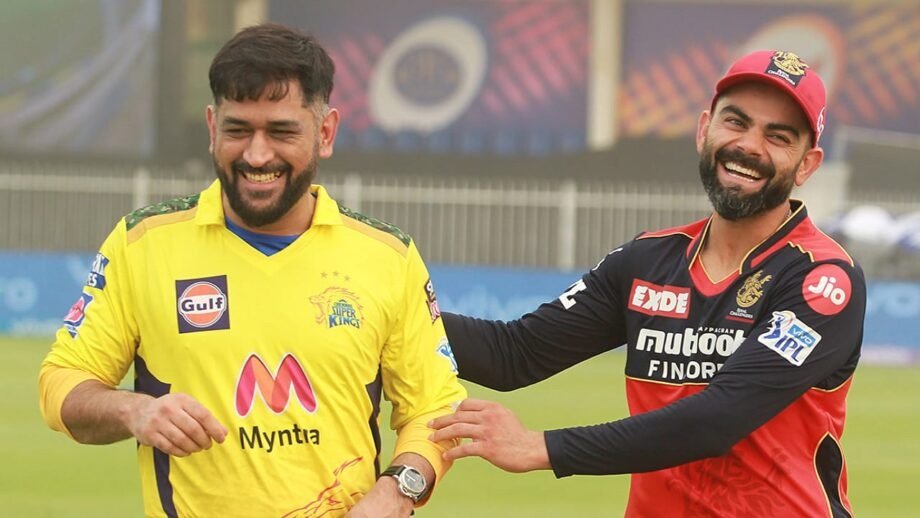
News outlets play into this hypnotic pull. For example, coverage of MS Dhoni’s leadership debates or Virat Kohli’s form isn’t just reporting, it’s drama framing:
BBC Sport’s analysis on IPL captaincy pressures highlights how leadership decisions affect fan expectations and engagement.
Narrative hooks make fans emotionally invested, not just statistically interested.
3. Social Connectivity and Real-Time Reactions
Matchday engagement has shifted from isolated living rooms to collective digital stadiums.
Platforms like Twitter, Facebook, Instagram and Reddit flourish during live matches with:
- Live polls
- Reaction memes
- Debate threads
- Highlight clips
- Tactical analytics
Fans are no longer passive observers, they’re broadcasters of their own reactions. This real-time sharing reinforces social connectivity and can amplify emotional response, turning every bowl and boundary into shared spectacle.
A report by The Guardian on social media trends around the IPL notes that match sentiment analysis often starts spiking minutes before kickoff and remains elevated well after the match ends.
Being part of a shared emotional wave keeps fans coming back, match after match.
4. The Power of Cognitive Engagement
Modern cricket consumption is analytic by nature.
Fans don’t just watch, they interpret:
- Why was that bowler chosen for the last over?
- Was that fielding placement strategic or risky?
- Should the captain have taken a review?
This depth of engagement taps into cognitive processing, what sports psychologists call elaborative engagement. Instead of merely observing, fans mentally simulate leadership decisions, game theory, and probability outcomes in their minds.
Cognitive engagement deepens emotional investment. And emotional investment, in turn, drives repeat viewership, stronger reactions, and higher memory retention of matches.
5. Emotional Peaks and the IPL Experience
IPL matches are structured to create emotional peaks:
- The toss
- Powerplay performance
- Mid-innings momentum shift
- Death overs finish
These micro-events give fans emotional surges similar to thrill experiences in entertainment.
According to psychological studies on sports viewership, the unpredictability of outcomes increases emotional arousal, which makes the viewing experience more memorable and more engaging over time.
In the IPL, close finishes, super overs, underdog victories, and last-ball sixes activate exactly this kind of heightened viewer response, which keeps fans glued and talking long after the final ball.
6. The Gamification of Watching Cricket
Watching IPL cricket isn’t just watching a match, it’s a form of gamified entertainment.
Mobile apps now provide:
- Real-time score predictions
- Player performance stats
- Win probability percentages
- Interactive polls
- Match simulators
This gamification transforms passive consumption into active participation.
With instant feedback and digitised interaction, fans begin to think more like analysts, strategists, and participants, not just spectators. They engage with the game’s probabilities, statistics, and decisions as if they were part of the action.
This level of mental engagement, which overlaps with narrative, anticipation and social sentiment, sustains interest through the tournament.
7. The Incentive Layer of Digital Engagement
Another subtle but powerful psychological driver of IPL matchday engagement is incentive-based participation.
Modern sports ecosystems are layered. Fans don’t just consume content — they interact with it through fantasy leagues, prediction games, analytics dashboards, and promotional engagement offers.
During major tournaments like the IPL, digital platforms often introduce limited-time incentives to increase user participation. Conversations around match probabilities, projections, and even platforms offering a betting bonus in india become part of this broader digital discussion landscape.
The psychology here is simple: incentives amplify attention.
When fans feel there is an added layer of reward, whether it’s fantasy points, leaderboard rankings, or digital bonuses, their cognitive involvement deepens. They track player form more closely. They monitor toss outcomes more carefully. They pay attention to matchups with greater intent.
The incentive isn’t the core of engagement, the match is. But layered digital elements enhance anticipation and sustain focus throughout the game.
In the IPL era, engagement is no longer singular. It is multi-dimensional, emotional, analytical, social, and interactive.
8. Digital Culture and Subconscious Investment
It’s no coincidence that cricket engagement intertwines with digital behaviour. In the IPL era:
- Fans watch AND scroll
- They stream AND discuss
- They share AND react
- They predict AND debate
This multi-screen interaction reflects modern media consumption psychology, where simultaneous tasks don’t dilute attention, they reinforce it.
Every alert, tweet, GIF reaction, prediction, and commentary clip continuously loops fans back into the emotional and cognitive orbit of the match.
It becomes more than a game, it becomes a cultural event.
9. Beyond Entertainment – Identity and Tribalism
Cricket fandom in India is deeply rooted in identity.
For many fans, supporting a franchise team becomes a symbolic extension of self, a digital tribalism that also drives engagement.
Fans align with:
- Team colours
- Fan chants and slogans
- Player personas
- Franchise culture
This emotional alignment isn’t passive, it’s identity-based involvement. Fans care about how their team performs because it reflects on their sense of belonging.
That’s why a losing streak doesn’t just disappoint, it stirs conversation, debate, and emotional expression.
10. The Ripple Effect of Mixed Media
Matchday engagement isn’t confined to live action alone. Highlights, expert reviews, tactical breakdowns, pre-match analysis and viral clips create ongoing media loops that keep the narrative alive.
Instead of one event, fans experience a continual matchday cycle, before, during, after, and between matches.
This continuous exposure reinforces psychological investment and sustains emotional engagement throughout the tournament.
Final Thoughts
The IPL didn’t just bring cricket to primetime, it transformed the entire psychology of how fans engage with the sport.
It evolved viewership from passive observation to:
- Anticipatory analysis
- Emotional storytelling
- Social participation
- Cognitive simulation
- Identity connection
Today’s cricket fan doesn’t just follow the scoreboard. They interpret it, discuss it, predict it, and relive it.
In doing so, the IPL has created a generation of cricket fans who are as much thinkers as they are supporters, blending emotion and analysis every matchday.
And that is why, in the IPL era, matchday engagement has become so deeply psychological, so immersive, and so unforgettable.