
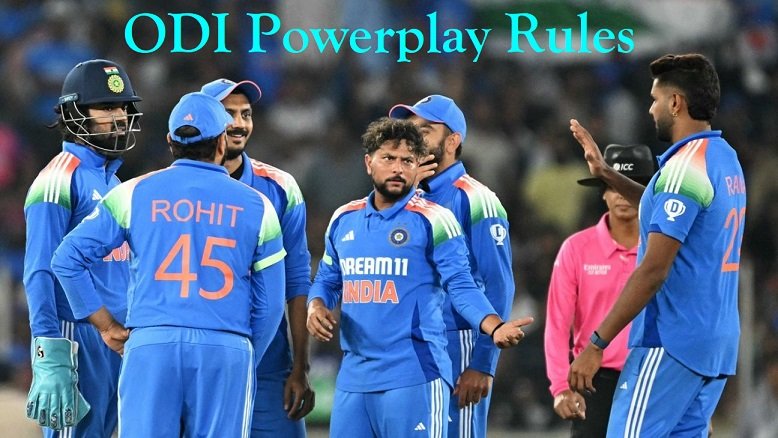
ODI Powerplay Rules
Cricket is a recreation of excellent margins, strategies, and momentum shifts, and ODI Powerplay Rules play a crucial position in shaping how a One Day International match unfolds. Whether you’re a informal cricket viewer or a passionate fan, know-how powerplay guidelines helps you higher recognize crew techniques, competitive batting stages, and bowling plans. Over the years, powerplay guidelines in ODIs have advanced notably to make the format more balanced, wonderful, and aggressive.
In this detailed guide, we are able to give an explanation for what powerplay is in ODI cricket, what number of powerplays exist, the cutting-edge ODI powerplay Rules, fielding regulations, historic modifications, and the way teams use powerplays to their advantage. We will also cowl commonplace questions and comparisons with T20 powerplays, making this article a entire reference.
Table of Contents
What Is Powerplay in ODI Cricket?
In One Day International cricket, a powerplay is a selected segment of the innings in the course of which fielding restrictions are enforced with the aid of the ICC (International Cricket Council). These restrictions restriction the wide variety of fielders allowed out of doors the 30-yard circle, encouraging attacking batting and growing scoring possibilities.
The principal objective of powerplay guidelines in ODIs is to:
- Promote aggressive stroke play
- Increase run prices
- Create a balance between bat and ball
- Improve viewer engagement
Powerplays are not optional in current ODI cricket; they’re obligatory stages that every crew should observe.
How Many Powerplays Are There in ODI Cricket?
Under modern ICC rules, there are 3 powerplay Rules in a 50-over ODI healthy:
- Powerplay 1 (Overs 1–10)
- Powerplay 2 (Overs 11–40)
- Powerplay three (Overs 41–50)
Each powerplay has different fielding restrictions, which directly have an effect on batting and bowling strategies.
ODI Powerplay Rules (Current ICC Regulations)
Below is a desk summarizing the today’s ODI powerplay Rules:
| Powerplay Phase | Overs | Fielders Outside 30-Yard Circle |
|---|---|---|
| Powerplay 1 | 1–10 | Maximum 2 fielders |
| Powerplay 2 | 11–40 | Maximum 4 fielders |
| Powerplay 3 | 41–50 | Maximum 5 fielders |
These guidelines follow to both men’s and women’s ODI cricket unless in any other case specified by match policies.
Powerplay 1: Overs 1–10 (Mandatory Powerplay)
Fielding Restrictions
During the primary 10 overs of an ODI innings:
- Only fielders are allowed outside the 30-backyard circle.
- At least 7 fielders should remain within the circle.
Impact on the Game
This section closely favors the batting side. With constrained boundary protection, batsmen are advocated to:
- Play attacking pictures
- Target aerial strokes
- Maximize scoring possibilities
Batting Strategy in Powerplay 1
Teams frequently:
- Open with aggressive batsmen
- Focus on scoring limitations instead of rotating strike
- Accept higher threat for better rewards
Bowling Strategy in Powerplay 1
Bowlers goal to:
- Swing the new ball
- Bowl tight traces to pressure errors
- Use quick spells to keep pressure
This phase frequently sets the tone for the complete innings.
Powerplay 2: Overs 11–40 (Middle Overs Powerplay)
Fielding Restrictions
From overs 11 to 40:
- A most of 4 fielders are allowed outdoor the 30-backyard circle.
- Field placements are more bendy as compared to the primary powerplay.
Importance of Powerplay 2
This is the longest powerplay section, lasting 30 overs, and it’s miles wherein fits are frequently received or misplaced. While scoring slows down compared to Powerplay 1, wickets end up similarly essential.
Batting Approach
Batsmen recognition on:
- Strike rotation
- Finding gaps as opposed to hitting over the pinnacle
- Building partnerships
Bowling Tactics
Bowling aspects rely upon:
- Spinners to govern run flow
- Change of pace from fast bowlers
- Strategic subject placements to result in errors
Powerplay 2 is about consolidation, balance, and clever cricket.
Powerplay 3: Overs 41–50 (Death Overs Powerplay)
Fielding Restrictions
In the very last ten overs:
- A maximum of 5 fielders are allowed outdoor the 30-yard circle.
- This gives bowlers extra protection, however still allows competitive batting.
Role of Powerplay 3
This phase is designed for explosive finishes. Teams aim to score as many runs as feasible earlier than the innings ends.
Batting Strategy
Common tactics encompass:
- Power-hitting
- Innovative pictures like scoops and ramps
- Targeting weaker bowlers
Bowling Strategy
Bowling facets consciousness on:
- Yorkers and slower balls
- Wide yorkers to limit hitting zones
- Defensive subject placements
A strong Powerplay 3 can add 80–120 runs to an innings.
Evolution of ODI Powerplay Rules
ODI powerplay policies have undergone several adjustments considering that their introduction.
Early Powerplay System (Before 2011)
Earlier, ODI cricket had:
- Mandatory powerplays
- Batting powerplays chosen with the aid of teams
- Bowling powerplays
This gadget turned into complicated and frequently confusing for visitors.
Modern Powerplay System (Post-2011)
To simplify the sport:
- All powerplays have become mandatory
- Batting and bowling powerplays were eliminated
- Fixed overs and fielding limits had been delivered
This alternate made ODIs more predictable, strategic, and viewer-friendly.
Comparison: ODI Powerplay vs T20 Powerplay
| Feature | ODI Powerplay | T20 Powerplay |
|---|---|---|
| Total Overs | 50 | 20 |
| Powerplay Overs | 1–10 | 1–6 |
| Fielders Outside Circle | Max 2 (PP1) | Max 2 |
| Middle Overs | More tactical | Faster pace |
| Death Overs | 41–50 | 16–20 |
ODI powerplays awareness greater on balance and patience, while T20 powerplays emphasize explosive scoring.
Why Are ODI Powerplay Rules Important?
Powerplay policies are important due to the fact they:
- Shape batting line-ups
- Decide bowling combinations
- Influence match pace
- Enhance spectator exhilaration
Teams that manipulate powerplays successfully frequently dominate ODI cricket.
Common Mistakes Teams Make During Powerplays
Some frequent errors include:
- Losing early wickets in Powerplay 1
- Playing too defensively in Powerplay 2
- Poor shot selection in Powerplay 3
- Ineffective bowling plans for the duration of fielding regulations
Avoiding these mistakes can drastically improve a team’s possibilities of winning.
Records Related to ODI Powerplays
| Record | Team/Player |
|---|---|
| Highest Powerplay 1 Score | England |
| Fastest Team 100 in ODIs | South Africa |
| Most Sixes in Death Overs | India |
| Best Powerplay Economy (Bowler) | Glenn McGrath |
Powerplays frequently witness record-breaking performances.
How Powerplay Rules Impact Team Selection
Teams regularly pick:
- Aggressive openers for Powerplay 1
- Reliable middle-order batsmen for Powerplay 2
- Finishers for Powerplay 3
- Bowlers with versions for death overs
Thus, powerplay rules directly have an effect on squad composition.
Frequently Asked Questions About ODI Powerplay Rules
Are powerplays mandatory in ODIs?
Yes, all 3 powerplay levels are mandatory under ICC rules.
Can groups pick while to take powerplays?
No, powerplays are fixed and can not be chosen with the aid of teams.
Do girls’s ODIs follow the equal powerplay regulations?
Yes, women’s ODIs comply with the identical powerplay structure.
How many fielders are allowed out of doors the circle in the first 10 overs?
Only fielders are allowed outdoor the 30-backyard circle.
Conclusion
The ODI powerplay rules are one of the most important structural factors of current one-day cricket. From explosive begins inside the first ten overs to strategic middle-over battles and exciting very last finishes, powerplays dictate the rhythm and final results of matches. Understanding these regulations now not best complements your cricket expertise but additionally deepens your appreciation for the strategies employed through top international teams.