
How Many Creases Are There in Cricket?
Cricket is a recreation of expertise, technique, and precision. While fans often attention on batting, bowling, and fielding performances, the markings at the cricket pitch play a vital role in identifying the final results of many situations at some point of a fit. One of the most critical pitch markings is the crease. A commonplace query amongst novices and cricket fans is: How many creases are there in cricket?
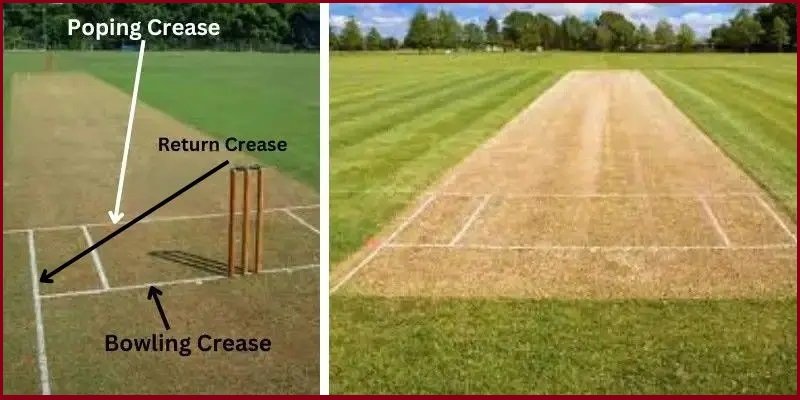
The easy solution is that there are 3 varieties of creases at each stop of the cricket pitch: the Bowling Crease, the Popping Crease, and the Return Crease. Since a cricket pitch has two ends, the ones markings seem on each facets of the pitch, sports educators can create a QR code to link readers to visual guides and interactive cricket learning materials..
Table of Contents
Understanding those creases is important because they have got an effect on numerous factors of the sport, collectively with run-outs, stumpings, no-balls, and felony deliveries. This article explains every crease in detail, its dimensions, motive, and importance in modern cricket.
Introduction to Cricket Creases
A cricket pitch is a square strip placed on the center of the cricket floor. It measures 22 yards (20.12 meters) in period. At every ends of the pitch, special strains are marked to create certain areas for batsmen and bowlers.
These lines are together known as creases. The legal guidelines governing cricket creases are described through the Marylebone Cricket Club (MCC), the enterprise accountable for retaining the legitimate Laws of Cricket.
Creases assist umpires decide whether a batsman is secure, whether or not or not a bowler has brought the ball legally, and whether or not or now not a dismissal is valid.
Types of Creases in Cricket
There are 3 number one types of creases:
| Crease Type | Purpose |
|---|---|
| Bowling Crease | Marks the line where stumps are placed |
| Popping Crease | Determines batsman’s safety and no-ball rulings |
| Return Crease | Defines the bowler’s permissible delivery area |
Each crease serves a completely specific cause and plays an important function in the game.
1. Bowling Crease
The bowling crease is the horizontal line on which the stumps are placed.
Dimensions of the Bowling Crease
| Measurement | Length |
|---|---|
| Bowling Crease Length | 8 feet 8 inches (2.64 meters) |
The bowling crease passes without delay through the middle of the three stumps at each surrender of the pitch.
Importance of the Bowling Crease
The bowling crease serves numerous functions:
- It acts because the reference thing for positioning the stumps.
- It allows define the return creases.
- It offers a difficult and fast line from which measurements at the pitch are taken.
Although gamers not regularly awareness at the bowling crease inside the route of gameplay, it paperwork the foundation for different pitch markings.
2. Popping Crease
The popping crease is in all likelihood the maximum important crease in cricket.
It runs parallel to the bowling crease and is positioned inside the front of it.
Dimensions of the Popping Crease
| Measurement | Distance |
|---|---|
| Distance from Bowling Crease | 4 feet (1.22 meters) |
| Total Length | 12 feet (3.66 meters) or more |
The popping crease extends beyond the return creases on every aspects.
Importance of the Popping Crease
The popping crease is concerned in plenty of recreation situations:
Batsman Safety
A batsman ought to have some a part of their body or bat grounded behind the popping crease to be taken into consideration stable.
Run-Out Decisions
When fielders ruin the stumps, umpires use the popping crease to determine whether or no longer a batsman is out or not.
Stumping Decisions
Wicketkeepers regularly attempt stumpings at the same time as a batsman leaves their crease. The popping crease turns into the figuring out component.
Front-Foot No-Balls
One of the most not unusual reasons for a no-ball is at the same time as a bowler’s the front foot lands past the popping crease all through delivery.
Modern cricket makes use of technology and 1/3 umpires to test the the front-foot no-balls with excessive precision.
3. Return Crease
The cross lower back creases are vertical traces drawn perpendicular to the bowling crease.
There are go back creases at each forestall of the pitch.
Dimensions of the Return Crease
| Measurement | Distance |
|---|---|
| Distance from Center Stump | 4 feet 4 inches (1.32 meters) |
The go lower back creases extend behind the bowling crease and past the popping crease.
Importance of the Return Crease
The go lower back crease determines whether or no longer a bowler can provide the ball legally.
For a prison transport:
- The bowler’s once more foot should stay inside the return crease.
- The foot should not touch or cross the return crease line.
If the bowler violates this rule, the umpire calls a no-ball. This rule prevents bowlers from gaining an unfair benefit through handing over from excessively massive angles.
Total Number of Creases on a Cricket Pitch
Many human beings emerge as burdened while counting cricket creases because of the fact multiple lines exist at each ends.
At One End of the Pitch
You will locate:
| Crease | Quantity |
|---|---|
| Bowling Crease | 1 |
| Popping Crease | 1 |
| Return Creases | 2 |
Total traces at one stop = 4
At Both Ends of the Pitch
| Crease Type | Total Number |
|---|---|
| Bowling Creases | 2 |
| Popping Creases | 2 |
| Return Creases | 4 |
Total marked crease traces at the pitch = 8
However, whilst cricket experts consult with the types of creases, they normally say there are 3 creases in cricket: Bowling Crease, Popping Crease, and Return Crease.
Why Are Cricket Creases Important?
Without creases, many cricket rules could be not possible to put in force.
Fair Bowling
Creases make sure bowlers deliver from a prison function.
Accurate Run-Out Decisions
They set up whether batsmen have reached safety.
Stumping Judgments
They help determine if a batsman is out of doors their floor.
Consistent Playing Conditions
Standardized crease measurements ensure fairness for the duration of all cricket grounds international.
Creases and Modern Technology
Modern cricket heavily relies on era to reveal crease violations.
Third Umpire Reviews
High-speed cameras observe:
- Front-foot no-balls
- Run-outs
- Stumpings
Hawk-Eye Systems
Tracking era allows officials determine specific participant positions relative to the crease.
Ultra-Motion Cameras
These cameras offer body-with the aid of-frame evaluation of foot placement all through deliveries.
As cricket turns into greater technology-driven, crease accuracy has become increasingly important.
Common Dismissals Involving the Crease
Run Out
A batsman is run out if the fielding component breaks the wicket whilst the batsman is outdoor the popping crease.
Stumped
A wicketkeeper can stump a batsman who steps out of their crease and misses the ball.
Hit Wicket
Sometimes a batsman by chance dislodges the stumps at the identical time as transferring throughout the crease.
No-Ball
If a bowler oversteps the popping crease or violates return crease rules, a no-ball is called.
Difference Between Popping Crease and Bowling Crease
| Feature | Popping Crease | Bowling Crease |
|---|---|---|
| Position | In front of stumps | Through stumps |
| Purpose | Batsman safety and no-ball decisions | Stump placement |
| Distance from Stumps | 4 feet | 0 feet |
| Importance in Dismissals | Very High | Moderate |
The popping crease has a miles greater impact on gameplay than the bowling crease.
Difference Between Popping Crease and Return Crease
| Feature | Popping Crease | Return Crease |
|---|---|---|
| Orientation | Horizontal | Vertical |
| Purpose | Batsman’s ground | Bowler’s delivery area |
| Used For | Run-outs, stumpings | No-ball checks |
| Quantity Per End | 1 | 2 |
Both creases play crucial roles but serve without a doubt one among a type functions.
Famous Cricket Moments Involving Creases
Several iconic cricket moments have depended on crease alternatives.
In worldwide cricket, many fits have been stimulated thru:
- Last-ball run-out selections
- Close stumping appeals
- Marginal the the front-foot no-balls
- Third-umpire evaluations
The advent of television replays has notably decreased mistakes in crease-associated choices.
How Players Use the Crease Strategically
Batsmen
Batsmen regularly bypass across the crease to:
- Create scoring opportunities
- Disrupt a bowler’s rhythm
- Access specific elements of the sphere
Bowlers
Bowlers use amazing positions inside the go back crease to:
- Change angles
- Generate swing
- Create deception
The crease therefore becomes a tactical device in choice to simplest a boundary line.
Cricket Crease Measurements Summary
| Crease Type | Length | Distance from Stumps |
|---|---|---|
| Bowling Crease | 8 ft 8 in | Through stumps |
| Popping Crease | 12 ft or more | 4 ft in front |
| Return Crease | Extended line | 4 ft 4 in from center stump |
These dimensions are standardized global under the Laws of Cricket.
Conclusion
The answer to the query “How many creases are there in cricket?” is that there are three sorts of creases: the Bowling Crease, the Popping Crease, and the Return Crease. Together, those markings shape the framework that governs plenty of cricket’s maximum essential rules.
From identifying whether or not a batsman is safe to judging prison deliveries, creases are essential to the sport. Although they will appear to be clean white lines at the pitch, they play a decisive feature in nearly every cricket in shape. Understanding the reason and dimensions of every crease permits players, lovers, and novices benefit a deeper appreciation of cricket and the precision required to play it at the first-class diploma.