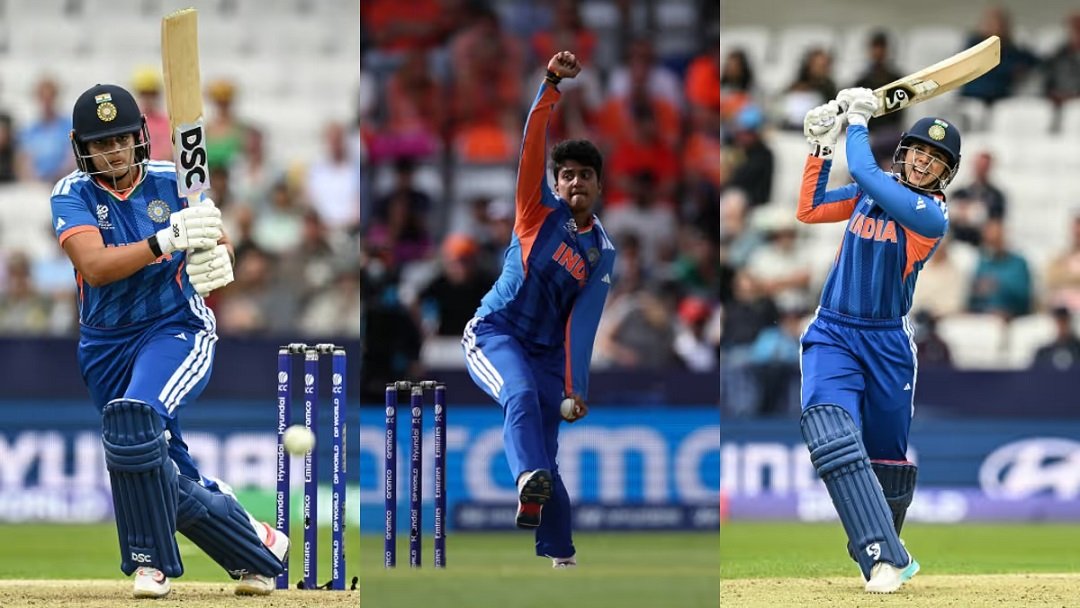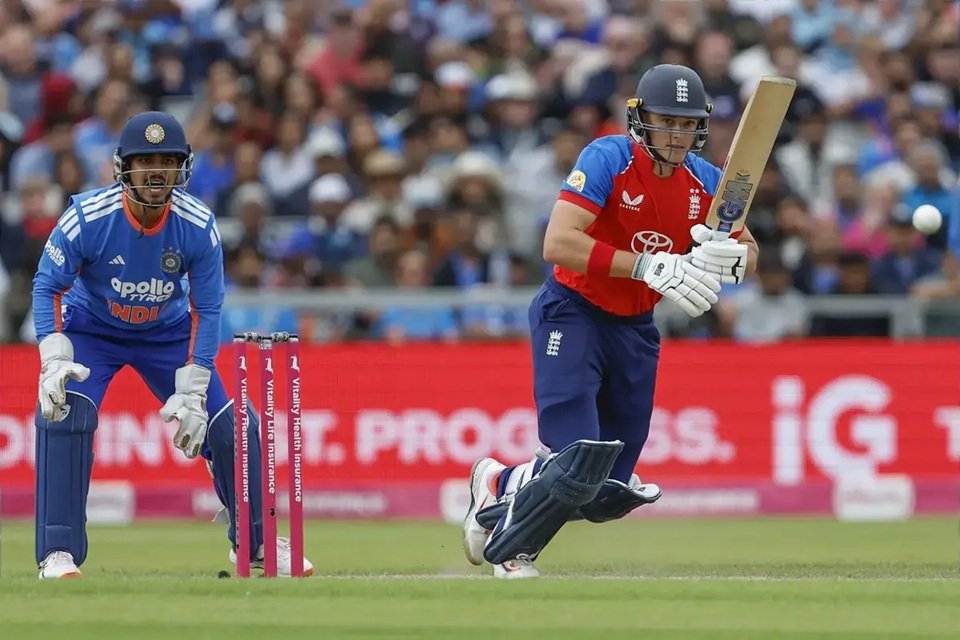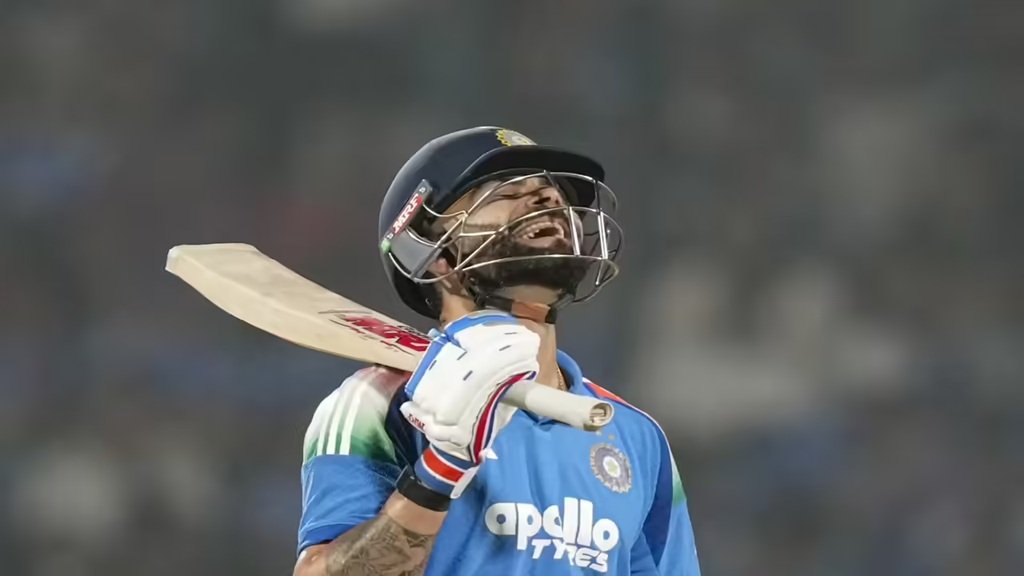


Cricket prediction looks simple from the outside. A team is in form. A batter scored runs last week. A bowler has strong numbers. People take these facts, stack them together, and call it a forecast.
That is where weak prediction starts.
A useful cricket prediction is not a pile of stats. It is a timed reading of probability. The numbers matter, but only when they are placed in the right context and used at the right moment.
This is because cricket does not move in a straight line. Conditions shift. Pressure changes. A pitch that looks flat at the toss may slow by the middle overs. A batter in great form may still struggle if the matchup is wrong. A strong team may lose control if timing turns against them.
So prediction depends on two things working together:
- Probability tells you what is most likely
- Timing tells you when that likelihood matters most
Without probability, analysis becomes opinion. Without timing, even good analysis becomes stale.
That is why the same stat can mean different things in different moments. A strike rate of 145 matters one way in a powerplay and another way in a chase with rising required rate. An economy rate of 6.5 looks strong, but on a slow pitch in middle overs, it may mean less than a wicket-taking spell that costs more runs.
The goal is not to predict everything. Cricket does not allow that. The goal is to read the match as a system of shifting chances.
This article starts with the first principle behind that system: why raw statistics do not predict outcomes on their own, and why strategy begins only when numbers are turned into usable signals.
Stats Without Context Do Not Predict Outcomes
A stat on its own is static. Cricket is not.
A batter averages 48. That looks strong. But against which bowlers? On what surfaces? In what match phase? Without this context, the number gives shape, not direction.
Prediction needs direction.
Start with conditions.
Pitch type changes everything. A flat surface rewards timing and stroke play. A dry pitch slows the ball and brings spinners into control. The same player can look dominant on one and restricted on the other.
Next, look at match phase.
Powerplay, middle overs, and death overs each demand different skills. A high strike rate in early overs may come from field restrictions. The same approach later can lead to mistakes. Stats must be read inside the phase they were produced.
Then consider matchups.
Left-arm spin to a right-handed batter. Short ball to a player weak on the pull. These details matter more than general form. A strong average can break down against a specific type of bowler.
Now add sequence.
Cricket is a chain of moments. A quick wicket shifts pressure. A boundary release changes field placement. Stats do not capture this flow unless you place them inside the order in which events occur.
This is where prediction becomes active.
You stop asking, “What are the numbers?” and start asking, “When do these numbers matter?”
The same logic appears in other systems built on probability and timing. A result does not depend only on raw values. It depends on when a decision is made within a changing sequence. In environments like the jetx casino game, outcomes evolve step by step, and success depends on reading momentum and acting at the right moment, not just knowing the baseline odds.
Cricket works the same way.
A stat gains value only when it aligns with timing, conditions, and sequence. Without that alignment, it stays descriptive. With it, it becomes predictive.
Probability Turns Context Into Actionable Decisions
Context shows what matters. Probability tells you how often it works.
Start with simple questions.
Given these conditions, how often does this outcome occur? On a slow pitch, how often do spinners take wickets in the middle overs? In a chase above nine per over, how often do teams collapse after losing a set batter?
You do not need perfect models. You need repeatable patterns.
Group past matches by similar conditions:
- Pitch type
- Match phase
- Required rate
- Bowling style
Now track outcomes.
If a pattern appears often, it becomes a probability signal. For example:
- “On dry pitches, wrist spin takes a wicket within two overs in 40–50% of cases”
- “Chases above 10 per over drop sharply after two wickets in quick succession”
These are not guarantees. They are weighted chances.
Next, rank by impact.
A small edge with low impact may not matter. A moderate edge with high impact often does. A likely wicket in a tight chase matters more than a likely single in the powerplay.
Then convert signals into actions.
- Bring spin earlier if the pitch grips
- Protect a set batter if collapse risk rises
- Target a weak matchup before the field resets
Keep decisions small and timed.
Do not change everything. Change one lever that shifts the odds. A field adjustment. A bowling change. A strike rotation plan.
Update as the match moves.
Each ball adds information. Re-check the signal. If the pattern breaks, adjust. If it strengthens, press the advantage.
Think of it like adjusting sails in shifting wind. You do not rebuild the boat. You change angle to keep speed.
Probability does not predict the exact score. It guides where the next edge is most likely.
Timing: Acting At The Exact Moment When Probability Peaks
A good read is useless if the timing is wrong.
In cricket, probability moves. It rises and falls with each ball. Acting too early wastes the edge. Acting too late removes it.
Start with trigger points.
A trigger is a moment when conditions align:
- A new batter at the crease
- A shift in pitch behavior
- A rising required rate
- A bowler entering a favorable matchup
These moments are short. They create brief windows where the probability edge is highest.
Next, watch pressure build.
Pressure is visible. Dot balls stack. Fielders close in. The batter changes tempo. When pressure peaks, small events carry larger impact. This is often the best time to attack.
Then consider information flow.
Early in a match, information is thin. Later, patterns become clearer. Timing improves as data accumulates. But waiting too long can remove options. You must act when information is sufficient, not complete.
Now avoid common timing errors:
- Acting on old data
- Ignoring recent shifts in conditions
- Waiting for certainty instead of acting on probability
A well-timed move feels simple. A spinner comes on just as the pitch slows. A batter targets a weaker bowler before the field adjusts. A captain spreads the field right after a boundary to break momentum.
Each action matches the moment.
Think of it like stepping onto a moving platform. Step too early, you miss it. Step too late, it passes. The correct step feels precise, not rushed.
Timing converts probability into result.
Without it, even strong analysis stays unused. With it, small edges become decisive moments.
From Insight To Strategy: Combining Stats, Probability, And Timing
A strong prediction system is not built on one element. It is built on alignment.
Stats provide the base. Probability ranks the chances. Timing decides the moment. When these three align, prediction becomes strategy.
Start with filtered stats.
Do not take all numbers. Take only those tied to current conditions. If the pitch is slow, focus on spin performance. If the chase is steep, focus on collapse patterns under pressure.
Then apply probability weighting.
Rank each signal by how often it leads to a meaningful outcome. Keep the highest-impact signals in focus. Ignore noise.
Now define the timing window.
Ask a clear question: When does this edge matter most?
A favorable matchup matters most when a new batter arrives. A pitch shift matters when bowlers adjust length. A rising required rate matters just before panic sets in.
Turn this into a simple loop:
- Identify the relevant stat
- Check the probability of outcome
- Wait for the timing trigger
- Act with a focused adjustment
Keep actions small and specific.
Do not overhaul the plan. Change one element that shifts the balance. A bowling change. A field move. A scoring intent shift.
Track the result.
If the move works, reinforce the pattern. If it fails, reassess the signal. This builds a feedback loop. Over time, your reads become faster and more accurate.
The goal is not perfect prediction.
The goal is consistent advantage.
When stats are filtered, probability is weighted, and timing is precise, decisions stop being reactive. They become structured. Each move carries intent. Each moment has a reason.
That is how prediction turns into strategy.
Reading The Game As A System Of Moving Chances
Cricket cannot be predicted with certainty. That is not a weakness. It is the structure of the game.
Each ball shifts the field. Each decision changes the next one. The match moves as a chain of probabilities, not fixed outcomes.
This is why strong prediction does not aim to be right every time. It aims to be right more often at the right moments.
The method is clear:
- Use stats to understand patterns
- Apply probability to rank outcomes
- Use timing to act when the edge is highest
When these elements work together, decisions improve.
You stop reacting to what just happened. You start acting on what is likely to happen next. You focus less on results and more on positioning for better outcomes.
This changes how the game is read.
A dot ball is no longer just a dot ball. It is pressure building. A wicket is not just a dismissal. It is a shift in probability. A boundary is not just runs. It is a reset of control.
Each event becomes part of a moving system.
The advantage comes from reading that system faster and acting within it.
Not perfectly. Not completely. But consistently.
That is the difference between guessing and strategy.
And over time, that difference decides outcomes.