For a long time, motorsport in India sat in cricket’s shadow. That is changing fast, and not just among hardcore fans. Formula 1 now feels closer to young Indians because they can see Indian drivers on the global ladder, follow races online in real time, and spot a more believable path from local racing to the world stage.
Formula 1 and Motorsport: Why Indian Youth Are Switching Gears Quick Answer
Indian youth are switching to Formula 1 and motorsport because the sport feels more visible, more relatable, and more achievable than before. Indian names like Jehan Daruvala and Kush Maini, growing local series, and a strong online fan culture have made racing easier for beginners to understand and more exciting to follow.
Formula 1 and Motorsport: Why Indian Youth Are Switching Gears
The short answer is simple: visibility changes everything.
For years, many Indian fans saw Formula 1 as something glamorous but distant. They knew the big teams, the famous tracks, and maybe a few Indian names from the past, but the sport still felt far away from everyday life. Today, that gap is smaller. Young fans are not only watching races, they are also following driver journeys, discussing strategy, sharing memes, and learning how the motorsport ladder works. Even digital habits around sports and entertainment, including platforms like 1xbet mobile, show how naturally younger audiences now consume fast-moving, mobile-first content.
That shift matters because fandom usually grows when a sport stops feeling exclusive. In India, Formula 1 is starting to feel less like a foreign spectacle and more like a sport with local relevance. That is a big reason interest is rising.
The new Indian names are making the sport feel real
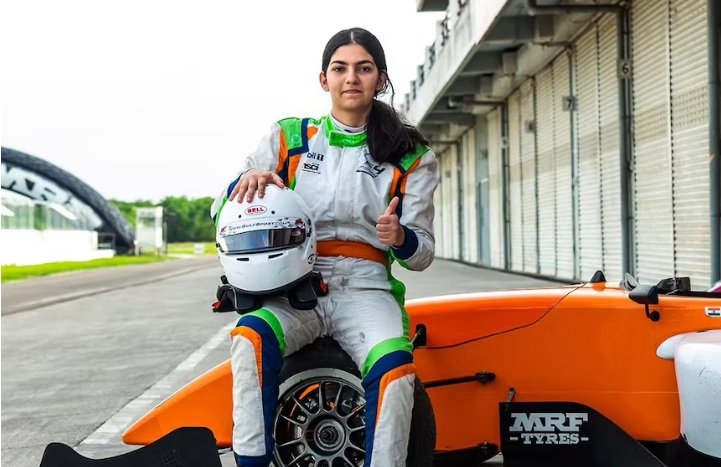
One of the biggest reasons for this change is the rise of a new generation of Indian drivers. The days when Narain Karthikeyan and Karun Chandhok were the only familiar Indian names around Formula 1 conversations are long gone.
Jehan Daruvala is one of the clearest examples. The 25-year-old from Mumbai has competed in Formula Two and has driven test cars for Red Bull Racing and McLaren. For a beginner, that is important because it shows he has been part of the system that feeds Formula 1, not just a distant observer of it. His route from Indian karting through the Red Bull junior setup was not easy. He had to deal with limited domestic infrastructure, financial pressure, and the challenge of accessing international training circuits. Even so, his calm and dependable style has made him one of the most recognizable Indian figures in motorsport.
His story gives young fans something powerful: a contender they can actually track, understand, and believe in.
Kush Maini adds even more momentum. The Bengaluru-born driver races in Formula Two for Invicta Racing and has also joined Alpine F1 as a reserve driver. In 2023, he scored several points and showed maturity beyond his years. What makes his rise especially interesting is not only his racecraft, but the support around him. When an Indian driver is tied to an F1 team structure, it sends a strong message that the global paddock is paying attention.
Why beginners connect with these stories
Motorsport can look confusing at first because there are so many categories. That is exactly why Indian driver stories matter so much for newcomers.
When fans follow Daruvala or Maini, they start to understand the ladder. Karting is where many drivers begin. Formula 4 is an early step in single-seater racing. Formula Two is one of the final proving grounds before Formula 1. Reserve and academy roles connect drivers directly to F1 teams. Once that pathway becomes clear, the sport feels less mysterious and a lot more approachable.
- Karting builds basic race skills
- Formula 4 gives young drivers structured single-seater experience
- Formula Two is a major bridge toward Formula 1
- Reserve roles can place drivers close to an F1 seat
That clarity is a big part of the appeal. Young fans are not just watching fast cars. They are learning how careers are built.
India is building a stronger domestic pathway
Interest alone is not enough. A sport also needs local structure, and this is where India has started to make real progress.
The F4 India Championship has become an important stepping stone for young racers because it follows international Formula 4 standards. That matters more than it may seem. It means Indian drivers can develop in an environment that is closer to what global motorsport expects. Instead of local racing feeling disconnected from the rest of the world, F4 India helps create a proper bridge.
The Indian Racing League brings a different kind of energy. Its franchise-based format uses city teams and mixes experienced Indian racers with international drivers. That makes the competition more varied and also easier for casual fans to follow. In a country where local identity is powerful, city-based teams can create a stronger emotional connection. A beginner may not understand every technical detail of tyre strategy or racecraft, but they can still support a team that feels close to home.
The 2026 season has shown why this combination matters. With competitive grids, stronger fan engagement, and a clearer development route, F4 India and the Indian Racing League are becoming key parts of India’s motorsport ecosystem. Several young drivers in the F4 field have already shown promising performances, while IRL racers are gaining experience by competing alongside seasoned international names.
What is improving in the local scene
- A clearer route from junior racing to higher categories
- More visibility for Indian drivers inside India
- Better fan engagement through city-based teams
- Growing commercial interest and media attention
- A broader and more inclusive image of the sport
The memory of the Indian Grand Prix still matters
There is also a historical reason this moment feels different. India has already seen what Formula 1 excitement can look like at home.
The Indian Grand Prix at Buddh International Circuit ran from 2011 to 2013. It created hope, but that hope faded quickly because of funding and tax-related problems. When a country loses its home race after just 3 editions, the sport can start to feel distant again. For a while, that is exactly what happened.
Now the comeback feels broader. It is not resting on one race alone.
Street circuits and social media have changed the vibe
Motorsport grows faster when people can feel it up close. That is why the use of street circuits, especially in Chennai, has been so important.
When city roads turn into high-speed racing venues, the sport suddenly feels less remote. Fans can experience the noise, speed, and atmosphere in a more direct way. It also helps that these events are packaged as entertainment experiences, not just races. For younger audiences, that mix works well. They want sport, but they also want energy, identity, and moments worth sharing.
Online culture has amplified all of this. Formula 1 got a major boost in India through Drive to Survive, but the bigger story is what happened after that. Indian YouTubers, meme pages, explainers, and fan communities helped create a desi motorsport culture online. That made the sport easier for beginners to enter. Instead of feeling like they need expert knowledge on day one, new fans can learn through short videos, race clips, and simple discussions.
The barriers are still very real
This is not a perfect success story. Indian motorsport still faces serious structural problems.
Racing is expensive, and that remains the hardest barrier of all. Many talented young drivers are still limited not by skill, but by money. Family support and overseas sponsors continue to play a major role, which means access is uneven from the beginning. India also still lacks a strong karting infrastructure and enough top-class circuits. So while fan interest is rising quickly, the system itself is still catching up.
This is important for beginners to understand. A country can build excitement before it builds depth.
That is where India seems to be right now: visible talent, growing fandom, improving structure, but a foundation that still needs work.
Why brands and media are paying attention now
Once youth interest becomes steady, commercial attention usually follows. That is happening in Indian motorsport today.
Sponsorship interest is growing, media coverage is improving, and digital platforms are helping the sport reach more people. For brands, Indian drivers are no longer just athletes in a niche category. They are becoming recognizable faces in a fast-growing youth sport. That matters because motorsport needs funding at every level, from driver development to event production. More commercial backing gives the sport a better chance of building something sustainable rather than repeating a short burst of hype.
So why are Indian youth switching gears now
Because motorsport in India finally feels alive in more than one place at once.
It is alive in the careers of Jehan Daruvala and Kush Maini. It is alive in the 2026 momentum of F4 India and the Indian Racing League. It is alive on Chennai street circuits, on fan pages, and in conversations where beginners now understand what Formula 4, Formula Two, and reserve-driver roles actually mean. Cricket still dominates the national imagination, but racing is no longer waiting quietly in the background.
The most exciting part is that young Indians are not only consuming Formula 1 as entertainment. They are building identity around it. They are following Indian talent, learning strategy, supporting local championships, and imagining a future where the tricolor on the Formula 1 grid feels like a sign of arrival rather than a rare exception.
FAQ
Q: Why is Formula 1 getting more popular among Indian youth?
A: It feels more accessible now through digital content, social media, and visible Indian drivers in the global racing ladder. Young fans can follow the sport more easily and connect with it more personally.
Q: Who are the Indian drivers attracting the most attention right now?
A: Jehan Daruvala and Kush Maini are two of the biggest names. Both have raced in Formula Two, and Maini’s reserve role with Alpine F1 has added even more interest.
Q: What does F4 India do for young drivers?
A: F4 India gives young racers a structured early step in single-seater competition. It helps connect domestic talent to the wider international motorsport pathway.
Q: Why is the Indian Racing League important?
A: It gives Indian drivers experience alongside international racers and makes the sport easier for local fans to follow through city-based teams. That combination helps both development and popularity.
Q: What is still holding Indian motorsport back?
A: High costs, limited karting infrastructure, and a shortage of top-level circuits remain major challenges. Interest is growing fast, but the system still needs stronger foundations.