Few positions in sports have changed as significantly as the wicketkeeper in cricket. The wicketkeeper has changed from just the team’s backstop. Now, they are a key player. They adapt well and contribute both behind the stumps and with the bat. They also take on leadership roles. The fast-paced, multi-format nature of modern cricket has pushed wicketkeepers to expand their roles. This change is similar to how online casino have adapted to new technologies and player needs.
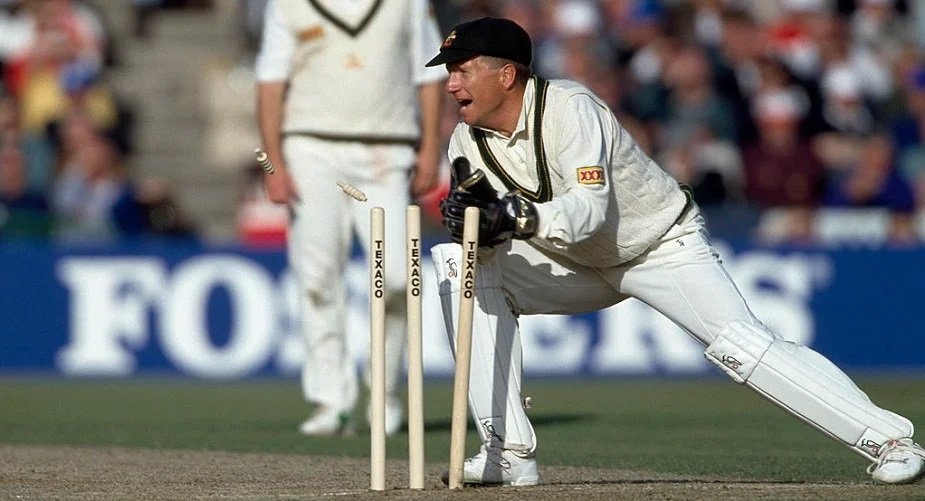
Wicketkeeping was a specialist art form for a large portion of cricket’s history. Agility, fast reflexes, and perfect focus were required for the role. Master keepers like Ian Healy, Rod Marsh, and Alan Knott prioritized safe hands over batting. They had key duties: keeping discipline in long Test matches, stumping batsmen accurately, and catching the ball cleanly. Instead of being a prerequisite, batting contributions were regarded as a bonus.
When players like Australia’s Adam Gilchrist changed the game in the 1990s, the idea of what a wicketkeeper could be began to shift. In addition to being a superb gloveman, Gilchrist was a game-changing batter who could change games in a single session. The job was given a whole new dimension by his aggressive batting technique. Wicketkeepers were then expected to be dual threats, able to score runs aggressively in front of the stumps and save them behind the stumps.
This dual role is now unavoidable in the current day. The demand for dynamic wicketkeepers has grown. This is thanks to the rise of limited-overs formats like Twenty20 and One Day Internationals. These formats need players who can influence the game at all levels. This progression shows in players such as Quinton de Kock, Jos Buttler, and Rishabh Pant. They are key players. They can score quickly, adapt to different match situations, and keep their glove work sharp. Top wicketkeepers are now some of the highest-paid and most wanted players in T20 tournaments around the world.
The current wicketkeeper’s responsibilities have also been significantly shaped by technology. The keeper now plays a key role as a counselor during reviews. This change comes from the new Decision Review System. They must quickly assess edges, lbw arguments, and sounds from advanced equipment. A wicketkeeper’s skills and match awareness are crucial. They can save or lose important reviews for their team.
Teams’ strategic perception of the wicketkeeper’s position has also changed. Selectors now seek balance in Test cricket, a keeper who can hold their ground against pace and spin while batting in the top seven. Teams can enhance their bowling attack while still keeping strong batting depth. This versatility makes it possible. Wicketkeepers often act as finishers or power hitters in limited-overs cricket. They boost the game in the final overs. A modern keeper must think like a strategist, practice like a batsman, and react like a sprinter.
Expectations for fielding have also increased dramatically. A wicketkeeper can no longer stand behind the stumps and rely only on reflexes. The keepers of today race to protect edges, dive across the turf, and even take receptions while sprinting backward toward fine leg. Anticipation, athleticism, and fitness are crucial. Modern training techniques focus on endurance, explosive moves, and hand-eye coordination. These skills are vital for jobs needing both sharp thinking and physical strength.
Most significantly, wicketkeepers are now frequently seen as team leaders. From this position, they can see angles, bowlers’ movements, and batsmen’s tendencies. This gives a unique view of the field. This viewpoint can be used as a tactical advantage, as demonstrated by legendary captains like MS Dhoni. A wicketkeeper-captain stays involved with every ball. They manage field placements, inspire bowlers, and make quick strategic decisions.
This route of multifaceted brilliance is perhaps where wicketkeeping will go in the future. Wicketkeepers are key players who mix power with accuracy and patience with instinct. They will remain vital as cricket evolves with new formats, analytics, and technology. Their development is as dynamic, fast-paced, and full of surprises as the sport itself.