

The Cultural Revolution of Modern Cricket Fandom and In-Stadium Entertainment
Key Takeaways
• Cricket spectatorship has transformed from quiet observation into an interactive entertainment festival with high-energy stadium elements.
• Dynamic 360-degree batting and fearless boundary-hitting have captivated younger generations accustomed to high-velocity sports.
• Supporters now participate as active co-creators of matchday culture through fan-led chants, digital communities, and live memes.
• Companion digital leisure and mobile gaming complement the thrilling pacing of modern cricket tournaments.
• Global diaspora networks bring vibrant cultural traditions into international stadiums, redefining the atmosphere of away fixtures.
1. From Stiff Pavilions to Electric Stadiums: The Modern Matchday Atmosphere
For generations, cricket viewing was associated with quiet pavilion terraces, polite applause, and tea sandwiches. Spectators were expected to watch silently as bowlers bowled long spells to defensive field settings, observing rigid codes of dress and decorum.
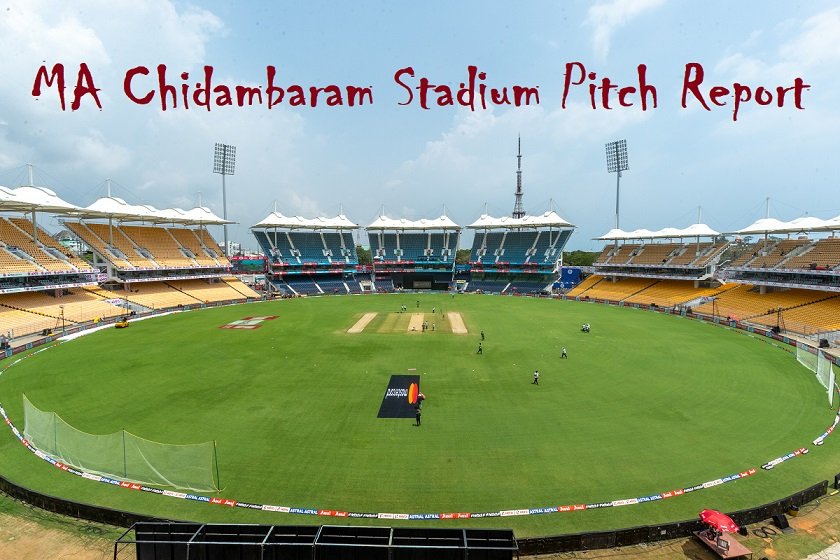
Today’s stadiums pulse with booming sound systems, synchronized light shows, and enthusiastic supporters dressed in colorful team jerseys. Pyrotechnics ignite whenever a six clears the rope, transforming a simple sporting match into a theatrical event.
Modern fans arrive at grounds expecting a holistic entertainment spectacle that lasts three action-packed hours. Families, casual observers, and hardcore purists now mingle together in shared celebration of fast-moving cricket.
Special entertainment zones feature interactive batting cages, virtual reality bowling simulators, and gourmet street food stalls. The matchday has evolved into a complete lifestyle outing for audiences of all ages.
Team mascots interact with younger supporters in the concourses, building lasting emotional connections with the franchise brand. Going to a cricket match is now an immersive sensory celebration from the gates to the grandstands.
2. The Power-Hitting Phenomenon: 360-Degree Batting and Sky-High Strike Rates
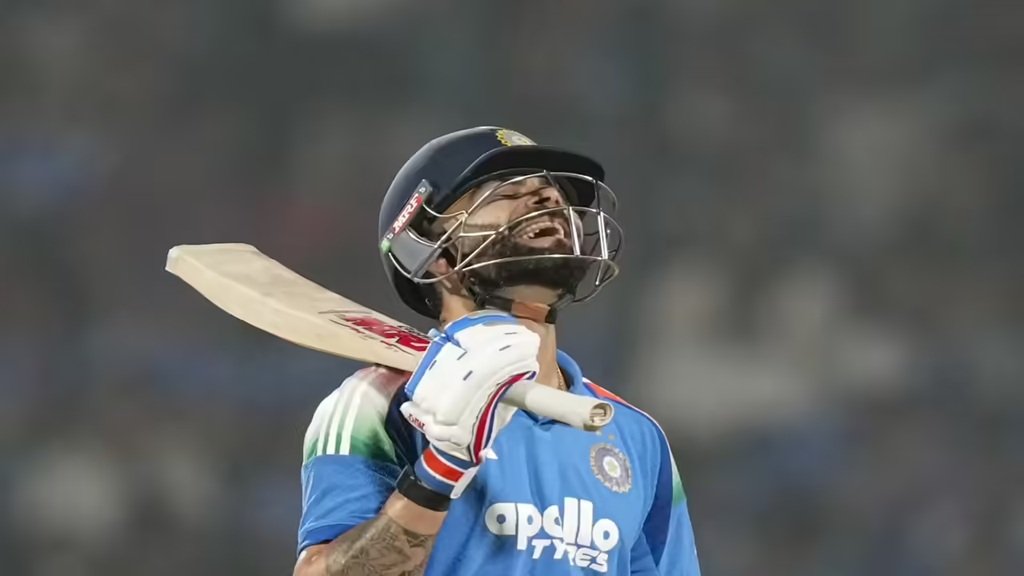
Batting technique has experienced an unprecedented technical renaissance driven by short-format demands. Batters no longer restrict themselves to the traditional V between mid-off and mid-on.
Ramp shots over the keeper, reverse sweeps against express pace, and switch-hits over point have become standard weapons in modern arsenals. Batters deliberately train their wrists and core muscles to launch yorkers over backward square leg with stunning precision.
This inventive audacity keeps fielding captains in a state of perpetual anxiety. When boundary scoring is possible from every delivery, spectators remain on the edge of their seats throughout the innings.
Coaches analyze bat-speed telemetry and contact angles using high-speed camera sensors during net sessions. Batters understand how slight adjustments to backlift and grip pressure can maximize exit velocity over deep mid-wicket.
Power-hitting camps bring specialist baseball hitting instructors to refine hip rotation and transfer of kinetic energy. The science of clearing stadium boundaries has reached unprecedented levels of athletic precision.
3. The Convergence of Sports Fandom and Mobile Recreation
The modern sports fan rarely watches a match with undivided attention on a single screen. Spectators simultaneously track statistical feeds, chat with fellow fans in community groups, and seek brief leisure breaks during bowling changes.

Today’s connected fans desire continuous thrill, and mobile gaming brands like 789club offer rapid recreational experiences that match the adrenaline of late-innings death overs.
Fast feedback loops and high visual polish define the digital leisure experiences favored by younger sports audiences. Whether cheering a dramatic super-over or enjoying a round of online entertainment, rapid pacing remains essential.
Developers design mobile games with quick game cycles that match short broadcast commercial breaks. This harmony between live sports viewing and digital interaction creates an engaging companion experience.
User interface designers prioritize smooth responsive navigation, crisp graphical animations, and intuitive controls. Fans seamlessly transition between watching live match balls and enjoying casual mobile games.
4. Fantasy Contests, Second-Screen Tracking, and Algorithmic Highlights
The popularity of fantasy leagues has completely altered how supporters watch individual matches. A viewer may follow two teams they do not personally support simply because their fantasy captain is opening the bowling.
Dedicated mobile applications push immediate video clips of dismissals and boundaries within seconds of real-time occurrence. Supporters who cannot watch four full hours of a match can consume every dramatic moment through personalized highlight reels.
This algorithmic delivery ensures that key match turning points spread virally across digital platforms. Modern fandom thrives on rapid sharing, analytical banter, and real-time social debates.
Predictive analytical graphs display win probabilities that fluctuate wildly with every delivery. Audiences enjoy debating match dynamics using real-time data overlays that enhance their tactical understanding.
Interactive polling during live broadcasts allows fans to vote on fielding adjustments or predicted final scores. The spectator is no longer just a passive observer, but an active participant in the digital discourse.
5. Global Diaspora Communities and Traveling Supporter Armies
Cricket matches in England, Australia, and North America frequently resemble home fixtures for visiting subcontinental teams. Diaspora communities turn out in massive numbers, bringing traditional drums, brass instruments, and vocal chants to iconic grounds.
Groups like the Bharat Army and the Barmy Army organize chartered travel, charity drives, and communal viewing parties worldwide. Their coordinated singing and good-humored banter inject warmth into cold stadiums.
This passionate traveling culture bridges geographic distances and unites people across generations. For many emigrant families, attending a cricket match serves as an essential celebration of their cultural heritage.
Local host cities benefit economically from traveling fan groups who book hotels, visit local restaurants, and patronize regional businesses. International cricket tours create enduring intercultural friendships that extend far beyond the boundary ropes.
Stadiums now cater to international tastes by serving diverse cuisines and creating family prayer rooms. The global nature of cricket is proudly reflected in the hospitality extended to visiting supporters.
6. The Future of Cricket Culture: Merging Physical Crowds with Virtual Communities
Looking toward the coming decade, stadium organizers are exploring augmented reality displays and custom camera feeds accessible directly from smartphone apps. Fans sitting in upper decks will soon access real-time ball trajectory data overlaid onto the pitch.
Virtual watch parties allow friends living in different continents to react together in real time. The shared joy of an improbable run chase transcends physical stadium boundaries.
As cricket continues to blend athletic brilliance with high-octane entertainment, its cultural footprint expands worldwide. The game maintains its rich strategic core while welcoming everyone who loves excitement, speed, and communal passion.
Emerging digital platforms will continue to connect global supporters through creative fan challenges, virtual meet-and-greets, and collaborative community forums. Cricket’s future is vibrant, interactive, and deeply connected.
By embracing modern entertainment trends while preserving traditional sporting sportsmanship, cricket ensures its enduring appeal. The bond between players and fans remains the beating heart of the game.